
English| USD
Suggested for you
More currencies
Choose a language
Porto sits at the affordable end of Western European capitals, but its dining landscape spans everything from €6 workers' lunches to Michelin-starred tasting menus. The answer depends less on the city and more on which Porto you choose to eat in.
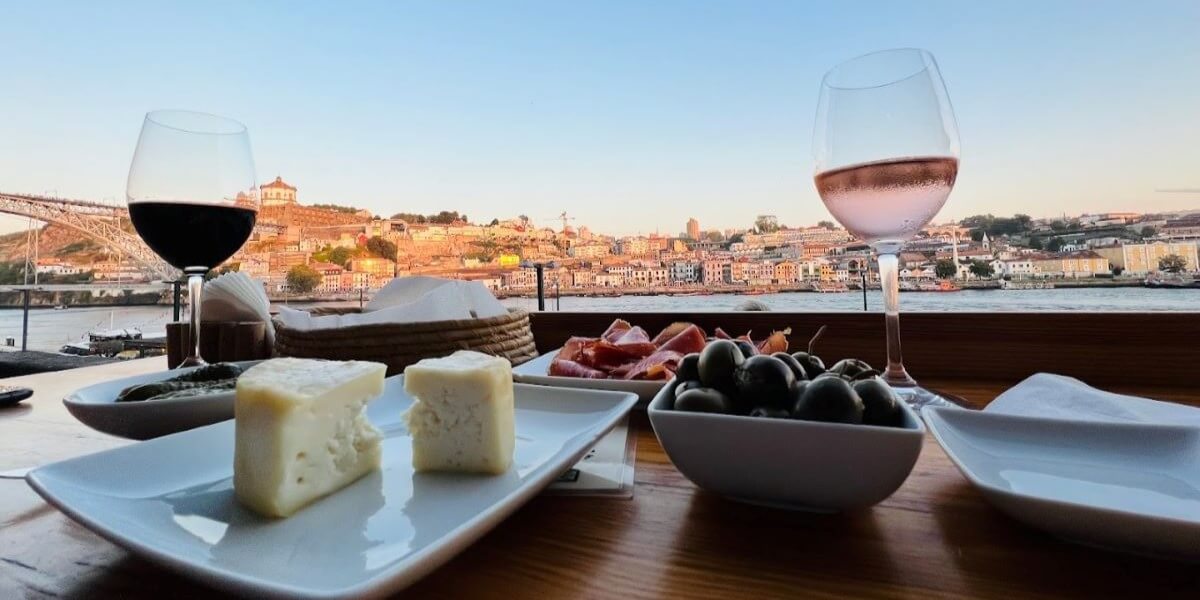
Quick answer
Porto remains one of Europe's most affordable cities for food and drink. A substantial lunch at a neighborhood tasca runs €8-12, a glass of quality Douro wine costs €2.50-4, and a full dinner with wine averages €20-30 per person. Tourist-facing riverfront spots charge double, but step two blocks inland and prices drop sharply. The city rewards those who eat where locals do.
A plate of bacalhau à Brás in Porto's Bolhão district costs less than a airport sandwich in most European cities, yet the question of whether Porto food and drink prices strain a travel budget persists because the city operates on two parallel economies. The ribeira riverfront and Rua das Flores cater to cruise passengers with €18 francesinhas and €8 Imperial beers, while tascas in Bonfim and Cedofeita serve three-course pratos do dia for under €10. The gap is geographic, not qualitative. Porto's centuries-old cervejarias pour the same Super Bock, slice the same presunto, and source from the same Bolhão market stalls as the tourist corridors, but a ten-minute walk inland cuts your bill by half. Wine follows the same logic. A glass of Quinta do Vallado reserva costs €3.50 in a Miragaia adega and €9 on a Cais da Ribeira terrace overlooking the Douro. The liquid is identical; the view is not. Understanding Porto dining costs requires recognizing that the city has not fully monetized its own identity. Pastelarias still sell nata for €1.20, tascas offer half-doses that feed one person fully for €6, and neighborhood markets sell chouriço, queijo, and crusty broa at prices that reflect local wages, not tourist budgets. The affordability is structural, rooted in a culture where a workers' lunch remains a protected ritual and where small family-run establishments have not yet been displaced by investor-backed concepts. But that window is narrowing. Rental pressure in the historic core has already pushed some longstanding adegas and tascas to close or relocate, and the €6 lunch is increasingly a suburban rather than a central-city phenomenon. The practical takeaway is that Porto costs as much as your route through it. Book a table at a chef-driven spot like Antiqvvm or DOP and expect €80-120 per person. Eat your way through Mercado do Bolhão, stop at a Praça Carlos Alberto cervejaria, and finish with a tawny at a Gaia lodge, and you will spend €25 for the day. Porto does not punish budget-conscious eaters, but it does reward those who move beyond the obvious blocks and ask locals where they eat. The affordable Porto is not hidden—it simply requires walking past the first row of restaurants facing the river.
“Porto operates on two parallel economies: one for cruise passengers, one for everyone who knows to walk two blocks inland.”
Porto offers a wide range of dining options, making it accessible for both budget-conscious travelers and those seeking premium experiences. Costs fluctuate based on whether you choose local tascas or higher-end establishments.
How to spend less
Verdict: A daily food and drink budget in Porto typically ranges from 30 EUR for budget travelers to 80 EUR for a more comfortable, mid-range experience.
Navigating Porto's culinary scene effectively relies on understanding local customs that prioritize value over tourist-centric pricing models.
Identify establishments offering a daily plate, which typically includes a main course and sometimes a drink at a set, lower price point. These options are standard in neighborhood taverns away from the main riverfront squares.
Restaurants situated directly on high-traffic squares often charge a premium for their location and views. Walk two or three blocks into side streets to find lower menu prices and more authentic ingredients.
When drinking, ask for the vinho da casa rather than selecting from a branded wine list. Local house wines are sourced from the region and provide significant cost savings compared to bottled selections.
Servers often place bread, olives, or cheese on the table as a starter; these are not free gifts. If you do not intend to consume them, simply decline them politely when they arrive to avoid the charge on your final bill.
Tascas are small, family-run eateries that specialize in traditional comfort food. Their menus are concise, focused on seasonal availability, and priced for local residents rather than transient visitors.
Porto is a city accessible 24/7, though individual dining and drinking establishments operate on their own specific schedules. Travelers should plan accordingly as availability varies throughout the day.
Establishments throughout the city may adjust their hours based on the season or local holidays.
Everything you need to know about is porto expensive to eat and drink
Generally, Porto remains affordable compared to many Western European capitals. Whether is Porto expensive to eat and drink often depends on choosing local tascas over high-end tourist venues.
Many travelers find that Porto offers excellent value for money regarding meal quality and wine prices. While costs have risen, the city is not as expensive to eat and drink as London or Paris.
Traditional dishes like the Francesinha or fresh seafood are quite reasonably priced. If you wonder is Porto expensive to eat and drink locally, you will find that neighborhood spots keep prices accessible.
Prioritize lunch specials, known as prato do dia, to keep expenses low. This is a practical strategy if you are concerned that is Porto expensive to eat and drink on a daily basis.
Dining costs remain consistent throughout the day, though some upscale restaurants may charge higher prices for dinner service. Always check menus beforehand if you are unsure if Porto is expensive to eat and drink at a specific location.
Guided culinary experiences can provide great value by introducing you to authentic flavors at set prices. These experiences are a popular alternative to wandering into potentially overpriced establishments.
While tipping is not mandatory, rounding up the bill is customary in casual settings. Being aware of cover charges for bread and olives will help you manage your overall food budget effectively.