
English| USD
Suggested for you
More currencies
Choose a language
Porto rewards careful visitors and punishes rushed assumptions. This guide walks you through the missteps that cost time, money, and goodwill—from transport choices that strand you on the wrong side of the Douro to meal times that leave you facing locked doors. Read it before you board your first tram.
Quick answer
The most common mistakes visitors make in Porto include ignoring the city's topography and attempting to walk everywhere in unsuitable footwear, dining at the wrong hours when kitchens are closed, overpaying for port wine in Ribeira tourist shops instead of visiting cellars in Vila Nova de Gaia, and expecting Lisbon-style infrastructure in a city with narrower streets and steeper gradients. Respect for local meal schedules, realistic route planning, and an understanding of Porto's geography transform the experience from exhausting to rewarding.
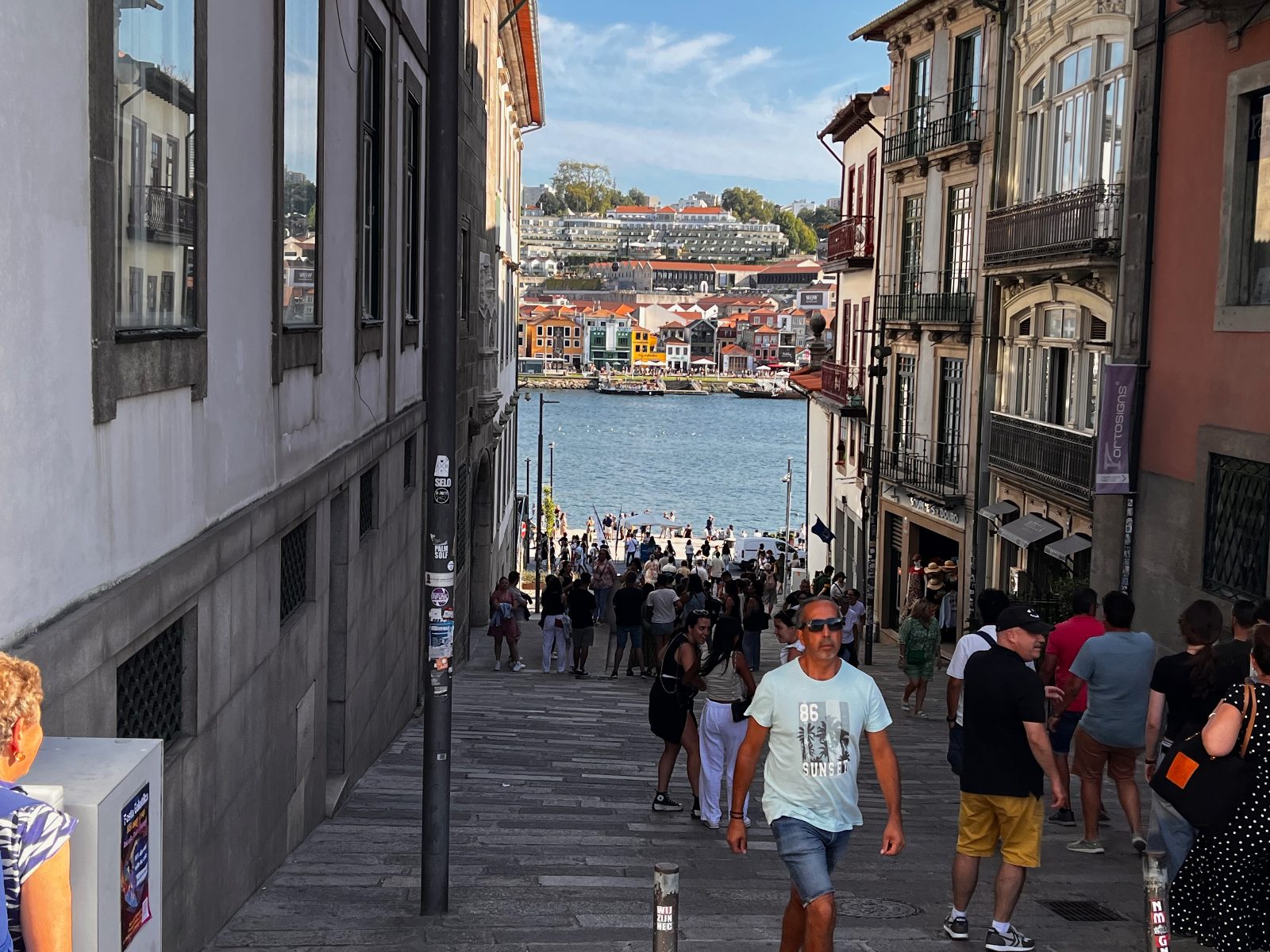
Porto sits on seven hills and the Douro Estuary, a geography that shapes every hour spent in the city. Visitors who arrive expecting flat pavement and wide boulevards encounter steep cobbled lanes, uneven granite steps, and a topography that punishes poor footwear within the first morning. The gradient between Ribeira and the cathedral district alone climbs forty vertical meters in under three hundred horizontal, and the polished stone underfoot becomes treacherous after rain. Comfortable, grippy shoes with ankle support are not a suggestion—they are the price of entry. Meal timing in Porto follows Portuguese rhythm, not the accelerated schedule of northern Europe or North America. Lunch service in traditional tascas runs from 12:30 to 15:00, with kitchens closing sharply at the latter mark. Dinner begins at 19:30 and peaks between 20:30 and 22:00. Visitors who expect to eat at 18:00 or arrive for lunch at 15:30 will find shuttered doors or be steered toward reheated tourist menus in Ribeira. Locals eat late, and the city's best tables honor that cadence. Ignoring this rhythm is one of the clearest signals of what not to do in Porto. Port wine pricing follows a steep gradient from the riverfront to the cellars. Ribeira shops charge premiums that can exceed thirty percent over cellar rates, targeting foot traffic rather than informed buyers. The historic port lodges—Taylor's, Graham's, Sandeman—are a ten-minute walk across the Luís I Bridge in Vila Nova de Gaia, where tastings include context, vertical flights, and transparent pricing. The view from their terraces alone justifies the crossing. Buying port in Ribeira is functionally paying for convenience over quality and education. Transport assumptions imported from Lisbon fail in Porto. The metro network is smaller, trams run on limited heritage routes rather than as mass transit, and the bus system requires familiarity with Portuguese signage and timing. Walking remains the primary mode within the historic center, but attempting to walk from Foz do Douro to Ribeira in a single afternoon—a distance of nearly six kilometers with no flat stretches—leaves visitors depleted before dinner. The Andante card covers metro, bus, and some suburban rail, but route planning must account for Porto's compact density and the reality that many streets are staircases. Respect the topography, plan segments rather than marathons, and accept that some climbs require either stamina or a taxi. The city does not flatten itself for convenience.
“The gradient between Ribeira and the cathedral district climbs forty vertical meters in under three hundred horizontal, and the polished stone underfoot becomes treacherous after rain.”
Porto rewards preparation. Visitors who assume it works like other European cities often face avoidable friction—steep climbs in the wrong shoes, missed meals due to dining-hour mismatch, and wasted time at closed attractions.
Wearing flat sandals or dress shoes for sightseeing
Porto is built on steep hills. Ribeira to Clérigos Tower involves sustained inclines. Bring cushioned walking shoes with ankle support and tread.
Eating dinner at 18:00 or 19:00
Restaurants serving locals open for dinner around 20:00; earlier sittings cater to tourists with condensed menus. Arrive after 20:30 for the full menu and atmosphere, or embrace the tourist slot knowingly.
Booking only Airbnb in Ribeira and assuming it's central
Ribeira sits at the river, not the transit or commercial core. Reaching Bolhão, Cordoaria, or Campanhã station requires either steep climbs or frequent ride-hailing. Stay near Aliados or Bolhão for flat access to metro and intercity services.
Buying the wrong transit pass for a day trip to Guimarães or Braga
The Andante metro card works only within Porto's urban zone. Regional trains to Guimarães or Braga require separate tickets bought at Campanhã or São Bento. Check your destination zone before tapping in.
Skipping the Andante card and paying per ride
Single metro tickets cost €1.85; a rechargeable Andante card (€0.60 one-time) drops each Z2 trip to €1.30 and unlocks day passes. Buy the card at any metro station on arrival.
Assuming all viewpoints are free and accessible at night
Miradouros are public and free, but several—including Serra do Pilar—close at dusk or require walking through unlit parks. Visit viewpoints before 19:00, or confirm night access in advance.
Porto's residents value courtesy and quiet respect, especially in historic neighborhoods and religious sites. Following local etiquette ensures a smooth visit and preserves the city's welcoming character.
The Reserva Natural Local do Estuário do Douro is located in Vila Nova de Gaia. The most reliable approach is to combine the Porto Metro with local bus services or a short taxi ride, as the historic center is poorly suited for private car navigation.
Line D to Santo Ovídeo then local bus
Line 901 or 906 from Trindade
Direct from Porto city center
From Gaia riverfront via Douro path
Plan your visit for the 06:00–09:00 window to ensure the quietest experience for birdwatching. Access the reserve at Reserva Natural Local do Estuário do Douro, Vila Nova de Gaia, Portugal.
Navigating Porto requires avoiding the midday surge of cruise passengers and day-trippers that congest the city center. For a peaceful experience, prioritize the early morning hours, particularly when visiting natural sites like the Douro Estuary Nature Reserve.
Hot and dry, average 25°C
Peak tourism levels make narrow streets difficult to navigate during midday hours.
Mild temperatures, averaging 16°C to 19°C
These shoulder months offer a balance between manageable crowds and comfortable outdoor conditions.
—
This best arrival window offers the best light and quietest experience for birdwatching at the Douro Estuary Nature Reserve.
Verdict: Visit during the shoulder months of May or October, and plan outdoor excursions for the 06:00–09:00 window to avoid daily congestion.
Avoid these common preparation mistakes that derail visits to Porto.
Everything you need to know about what not to do in porto
The primary error is failing to plan for the city's terrain and weather, which is a key part of understanding what not to do in Porto. Many visitors underestimate the hills, leading to exhaustion early in their trip. Proper planning ensures you enjoy the scenery rather than just struggling with the inclines.
For the Douro Estuary Nature Reserve, the best arrival window is 06:00–09:00 for the best light and quietest experience. Arriving late means missing the serene atmosphere that makes early morning visits so valuable for birdwatching. Plan your nature excursion early to avoid the midday sun and crowds.
Ignoring the advice to explore beyond the historic center is a major oversight when looking at what not to do in Porto. While the Ribeira district is iconic, the authentic culture is often found in the surrounding neighborhoods. Seek out local culinary spots to gain a deeper appreciation for the region.
When visiting the Reserva Natural Local do Estuário do Douro in Vila Nova de Gaia, ensure you respect the habitat by staying on marked paths. There is an entrance fee of 0 EUR, making it an accessible spot, but preserving the ecosystem is essential. Avoid disturbing wildlife or bringing loud equipment into the area.
One strategy for what not to do in Porto is staying only in high-traffic tourist zones during peak hours. By visiting sites early, you avoid the density of larger groups and experience the city's character more personally. Use the early hours to explore, as the city remains open every day of the week.
Learning what not to do in Porto involves identifying over-priced tourist traps, allowing you to focus on experiences that offer genuine value. Many of the most beautiful natural areas, such as the Douro Estuary, have free entry for all visitors. This leaves more room in your budget for high-quality food tours and local experiences.
Avoid trying to see every landmark in a single day, as the city's pace is best enjoyed slowly. Focus on specific areas like the Gaia riverfront or the historic center to maintain a balanced itinerary. Prioritize quality time at each location to avoid the rushed feeling that plagues many travelers.