
4 hr
Porto Food & Wine Walking Tour
Savor Porto's culinary soul with tastings at local haunts, from bifana to port wine and cheese boards
Reserve
Hand-picked by our editors — only the best 5 experiences from 41 reviewed.
Verified partners for every tour, free cancellation where available, and instant confirmation on every booking.
4 hr
Savor Porto's culinary soul with tastings at local haunts, from bifana to port wine and cheese boards
Reserve
3 hr
Discover Porto's food culture through traditional cafes, markets, and local favorites with tastings
Reserve
3 hr
Explore Porto's hidden culinary side through family-run eateries, petiscos, and local wine pairings
ReservePrices from verified partners. Availability updates in real time at checkout. Free cancellation policies apply where shown.
The landmarks, rooms, and views travelers on this tour remember — all visible on a single visit.
Porto's oldest market serves as the soul of local gastronomy with fresh produce and historic vendors.
This landmark features a stunning facade of traditional blue-and-white azulejo tiles depicting religious scenes.
The charming riverside area offers picturesque views and serves as the classic endpoint for many culinary walks.
Admire the 20,000 hand-painted tiles in this transit hub that showcases Portuguese history through art.
The iconic baroque tower overlooks the city and offers a reference point for navigating the historic core.
They complement each other; most visitors who do both call the guided walking food tour porto experience the more educational choice for deep historical context. Independent exploration serves as the preferred alternative for those seeking complete autonomy over their pace and itinerary.
| Feature | Top pick Guided Food Tour | Self-Guided Exploration |
|---|---|---|
Structure |
Pre-planned itinerary | |
Local insight |
Expert narrative provided | |
Flexibility |
Fixed schedule | |
Social experience |
Group interaction | |
Logistics management |
Handled by operator | |
Cost predictability |
All-inclusive pricing | |
| See tickets → |
Verdict: Choose a walking food tour porto tour if you prioritize curated access to traditional petiscos and local history, or opt for a self-guided route if you prefer the spontaneity of visiting Porto landmarks without a set schedule.
Choose your ticket, select your date, and reserve in under two minutes. Secure checkout handled by our verified partner.
Instant confirmation by email, with a mobile voucher you can save offline. No printing, no queuing at a collection desk.
Arrive at the entrance, show your voucher on your phone, and walk in. Most tickets include priority or skip-the-line access.
Practical details for your visit straight from our verified partners — hours, access, rules, and how to get there.
Smart casual attire is recommended, focusing on practical layers and comfortable, grippy walking shoes. Porto's historic center features steep streets and polished cobblestones that become slippery in wet weather.
Guests are encouraged to carry a small, secure crossbody bag for personal items. Large backpacks or luggage should be avoided to navigate narrow market aisles and crowded local eateries efficiently.
Photography is generally welcome, though it is respectful to ask local market vendors for permission before capturing their stalls or portraits. Capture the vibrant azulejo tile work and historic facades during your walking food tour porto.
Due to Porto's challenging hilly terrain and ancient, uneven cobblestone infrastructure, most walking food tour porto routes are not wheelchair or stroller accessible. Please contact specific operators in advance to discuss potential modifications or alternative transport options.
Children are welcome on many walking food tour porto excursions, provided they are comfortable walking the 3km route. Ensure younger participants can manage the pace and are accompanied by an adult at all times.
Most walking food tour porto packages include multiple tastings of regional specialties like bifana, bolinho de bacalhau, and local wine. Inform your guide during booking of any severe allergies or dietary restrictions like vegetarian requirements.
Best time to go, insider tips, nearby landmarks, and the cancellation fine print — flip through to skim what matters to you.
Flexible, no hidden fees.
Full refunds are typically available for cancellations made within the operator's specified notice window. Tours are privately organized services, not a static venue, with an entrance fee of 0 EUR.
Porto's culinary identity crystallized in the early 18th century when British port wine merchants established riverside lodges across the Douro, creating a gastronomic corridor that would define the city's relationship with food and trade. The Bolhão Market, operational since 1914, anchored a network of neighborhood tascos and adegas where Atlantic cod met Douro valley wines in dishes that reflected both maritime tradition and agricultural heritage. By the mid-20th century, the Ribeira district had evolved into a concentrated food quarter where francesinha sandwiches — layered with cured meats, steak, and beer sauce — became Porto's most distinctive contribution to Portuguese gastronomy. Today, the city center operates as an edible archive. Rua das Flores connects centuries-old bakeries producing ovos moles with modern wine bars pouring DOC-certified vintages from the Douro Superior. The Mercado do Bom Sucesso, rebuilt in 2013 within its original Art Deco shell, functions as both wholesale supplier and public dining hall. Tripe dishes — tripas à moda do Porto — remain menu fixtures in establishments like Café Santiago, where recipes trace lineage to the 1400s siege that earned Porto residents the nickname tripeiros. A walking food tour Porto itinerary typically covers 1.5 to 2 kilometers, linking five to seven tasting stops across neighborhoods that preserve distinct culinary traditions. Architectural context shapes the tasting sequence. Azulejo-tiled façades mark family-run pastelarias producing pastéis de nata with recipes predating the Lisbon variant. Granite cellar spaces house port lodges where tawny reserves age in pipas — 550-liter oak casks sealed with wax and cork. The Dom Luís I Bridge connects Ribeira's seafood taverns with Vila Nova de Gaia's wine estates, creating a vertical food geography where altitude determines menu style. Evening routes incorporate petiscos — Portuguese tapas — served in tascas where tile counters display canned conservas from the Algarve and smoked sausages from Trás-os-Montes. These Porto culinary walking tours prioritize establishments with multi-generational ownership, ensuring access to recipes and techniques absent from guidebook circuits.
"Porto's food quarter evolved where Atlantic cod met Douro valley wines in dishes reflecting both maritime tradition and agricultural heritage."
A step-by-step walkthrough of the visit — what you'll see, how long each stage takes, and the details that matter.
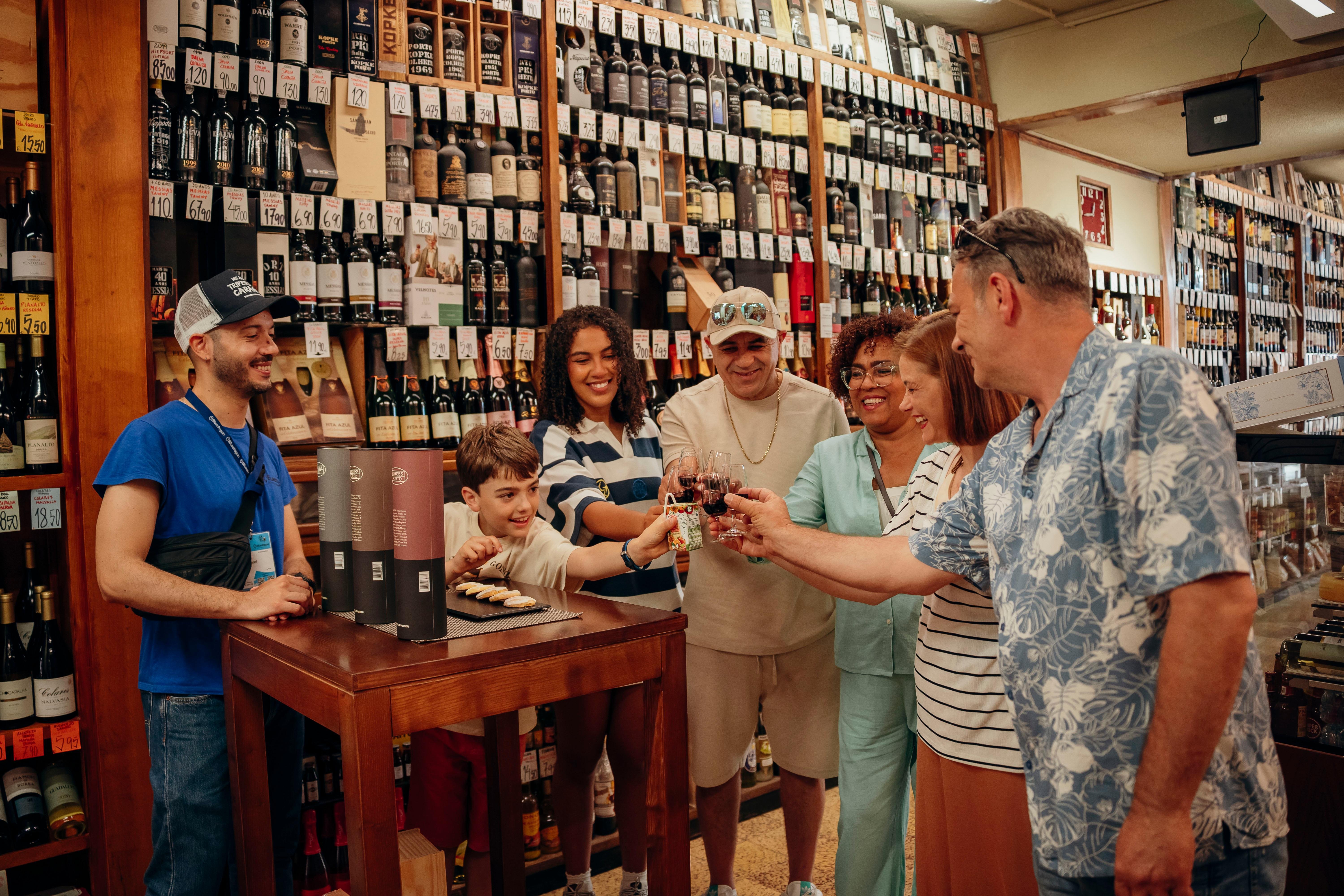
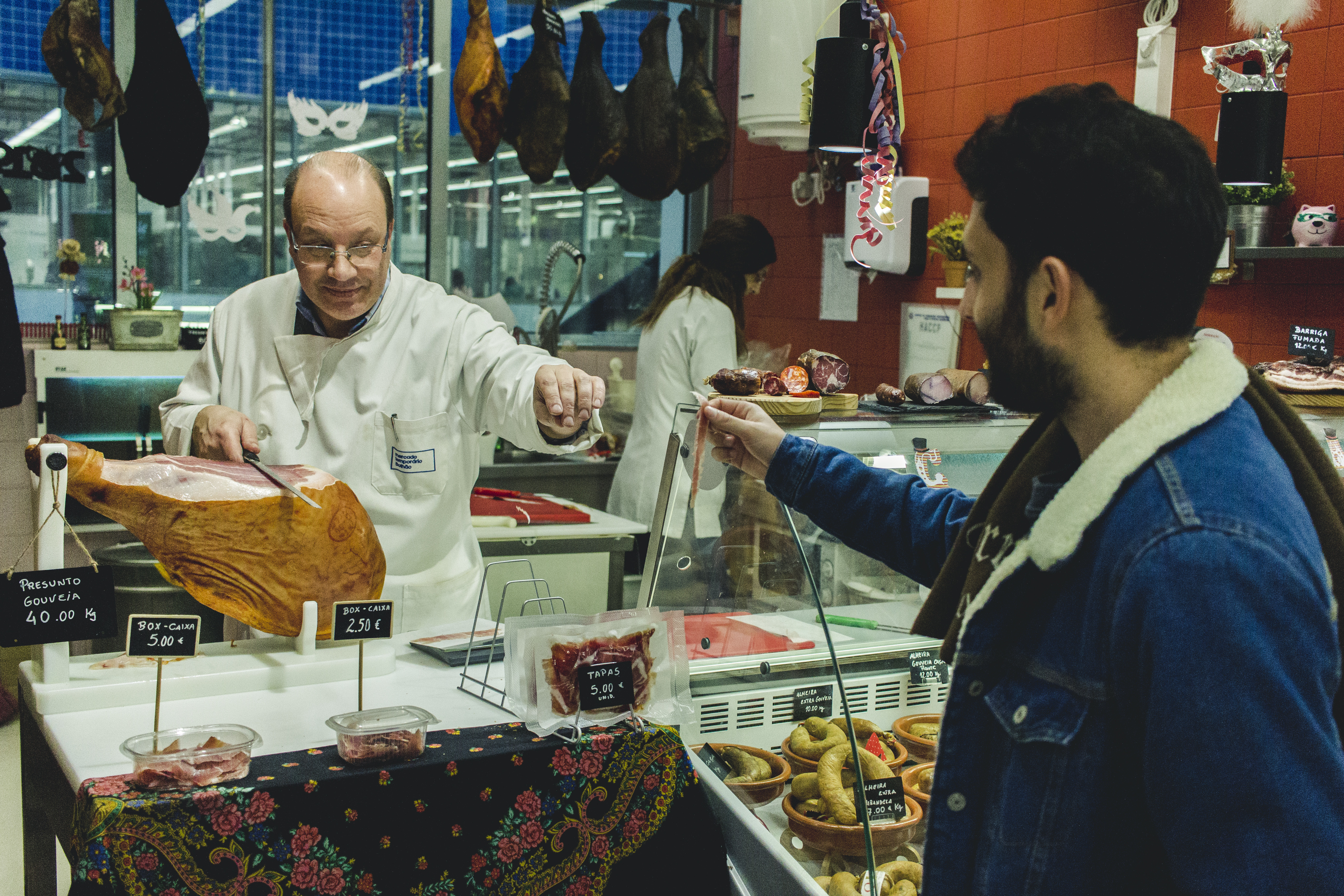
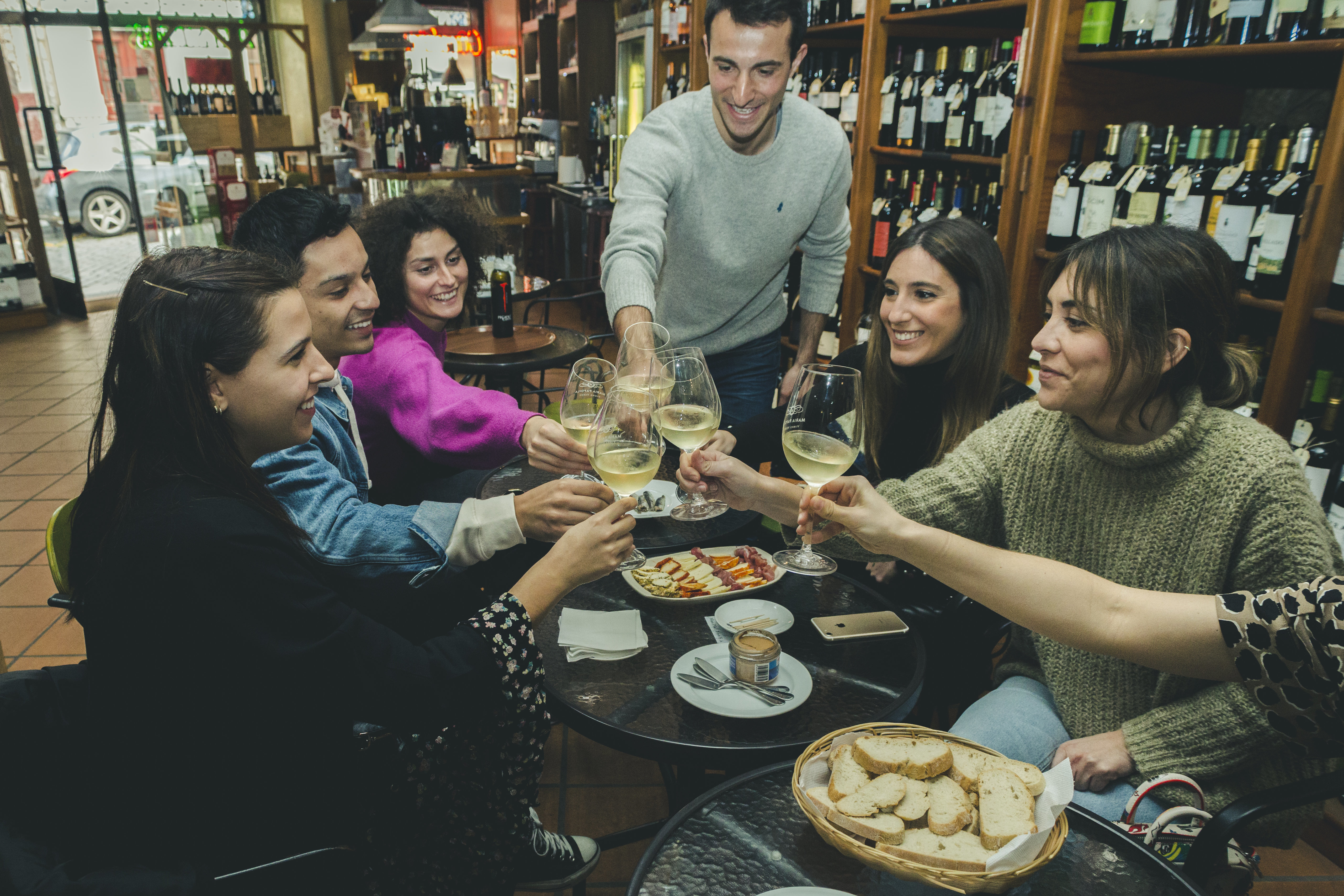
You begin near São Bento station, where your guide leads you into a tile-fronted padaria for bifana — thin pork cutlets in soft rolls — paired with your first vinho verde. The route moves uphill through Vitória, stopping at a century-old mercearia where bacalhau hangs from ceiling hooks and wheels of Serra da Estrela cheese rest on marble counters. You sample cured presunto with toasted bread as the owner explains the 18-month curing process. The path descends to Ribeira. At a riverside tasca, you taste caldeirada — fish stew layered with tomato, potato, and cilantro — while observing the Douro's tidal shift. Your guide pours a white from Quinta do Vallado, explaining how schist soil influences acidity. The next stop brings francesinha: you watch the chef construct the sandwich's four meat layers before covering it in molho — the beer-and-tomato sauce that defines the dish. The final tasting occurs in a Gaia wine lodge. You climb stone steps into a barrel room where your guide decants a 20-year tawny. The port's caramel notes pair with queijadas — small tarts filled with cheese and cinnamon. You exit along the river as blue-hour light reaches the Dom Luís I's iron span.
The best arrival window for your walking food tour porto is 10:00–19:00 to experience markets and eateries in full operation.
Due to steep hills and historic infrastructure, most walking food tour porto routes are not wheelchair accessible.
Yes, most guests find the 10+ tastings provided during a typical walking food tour porto replace a full meal.
Pets are generally not permitted on any walking food tour porto, with the exception of recognized guide dogs.
Wear comfortable, grippy shoes and breathable layers for your walking food tour porto to navigate Porto's unique terrain.
Yes, families are welcome, but children should be capable of walking approximately 3km during the walking food tour porto.
Sturdy footwear is essential for a walking food tour porto, and you may consider local electric tuk-tuks for steep sections.
Cancellations for walking food tour porto tickets should follow the specific operator's policy, with tours being private services.
Yes, most walking food tour porto operators can accommodate vegetarian diets with advance notice given during booking.